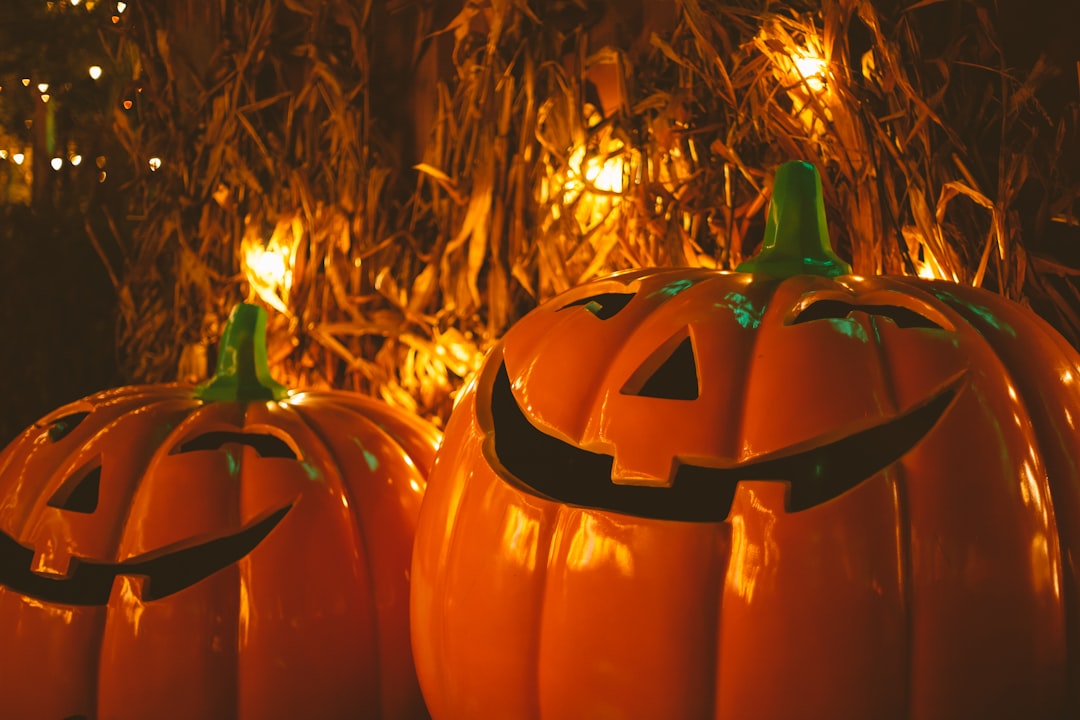
Halloween email season arrives every year with the same routine: cobweb graphics, a discount code, and a subject line built entirely around a pun. Many site owners copy last year's template and hope the decoration covers for a thin offer. That approach can work once, but it rarely earns a second open. A campaign only pays off when it treats the season as a reason to talk to your list, not as a costume for a weak deal. This piece looks at how to plan one that respects the reader and still moves product.
Why a Halloween email needs a real reason to exist
A seasonal theme is not a strategy on its own. It is a wrapper around an offer, a story, or a piece of useful information, and the wrapper only works if something solid sits inside it. However, many small operators skip that step and send a costume-themed email with no clear reason to buy today rather than next week. This is the gap between a campaign that performs and one that just looks festive.
The commercial case is real, though. Ecommerce brands report a 30% revenue boost from holiday-themed email campaigns. That number only holds up when the campaign delivers an actual incentive, not just a spooky font. Also, a Halloween email is still a commercial email under US law. Each separate email in violation of the CAN-SPAM Act is subject to penalties of up to $53,088, so non-compliance can be costly. This means the fun theme still needs an honest subject line, a real sender address, and a working opt-out link.
Because Halloween sits close to Black Friday, it also functions as a rehearsal for your bigger sales calendar. First, it tests your list health and your send infrastructure before the heavier volume of November. Then it gives you real open and click data to plan your next campaign with more confidence, rather than guessing.
Building a Halloween email around your actual list
A generic blast to your entire list wastes the season's natural interest. Instead, split your list by purchase history, engagement, or product category, and let each segment receive a version of the offer that fits them. For example, past customers might get an early access code, while new subscribers get a simpler introduction to your catalogue.
Personalization pays for itself here. Personalized subject lines increase email open rates by 26%. That lift comes from relevance, not from adding a name field for its own sake. As a result, even a small store with a modest list can see a meaningful bump just by matching the offer to what a segment already buys.
Timing matters as much as targeting. Nearly half of consumers start shopping for Halloween before October. This means a single email sent on October 30th misses a large share of your potential buyers. Instead, plan a short sequence: an early notice for planners, a mid-month reminder for the bulk of buyers, and a final short nudge for last-minute shoppers.

Subject lines and send times that earn opens
The subject line decides whether the rest of your work gets seen at all. Keep it readable and specific rather than clever for its own sake. The ideal Halloween email subject line should be between 40-60 characters, which ensures your subject line isn't cut off in most email clients, especially on mobile devices.
A small seasonal touch can help, but restraint matters more than volume. Halloween subject lines that included 🕷️ and 🌚 emojis performed better than average, with the 🕷️ emoji reaching open rates of around 23% compared to a roughly 20% average across all Halloween promotional emails. That is a small edge, not a guarantee, so one relevant emoji beats a subject line full of them.

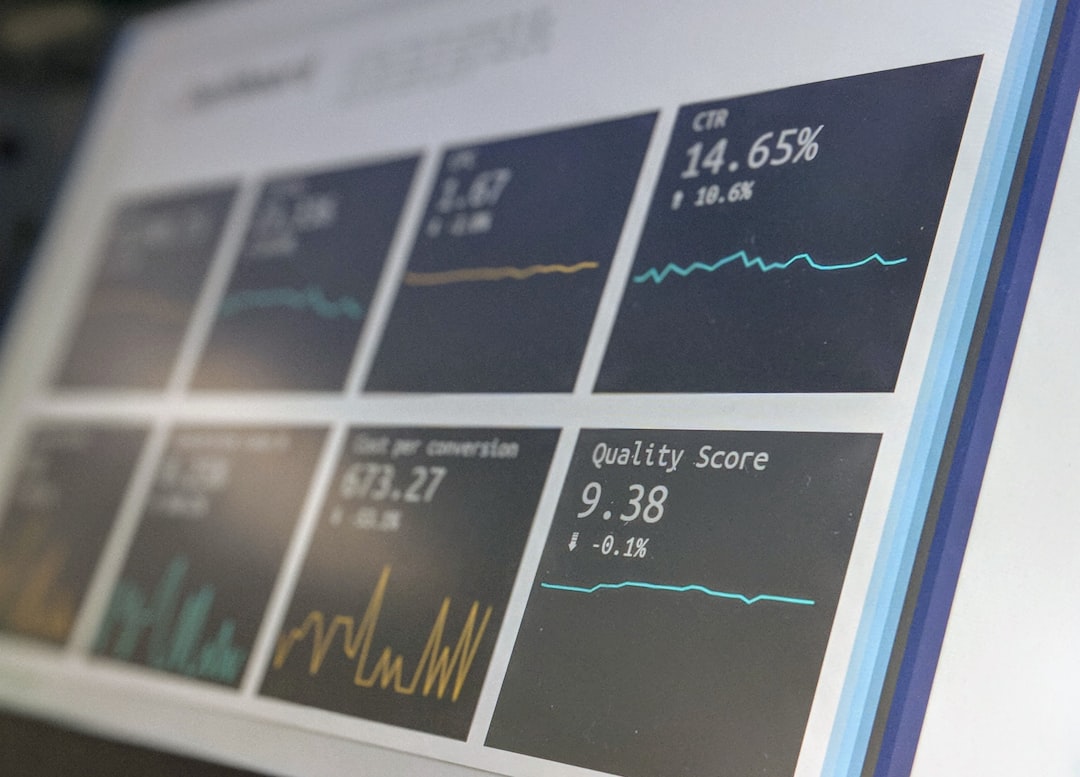
Once the email is open, the click still has to happen. A good click-through rate for a Halloween email typically falls between 2-5%, depending on your industry and the size of your list. Meanwhile, a healthy benchmark for the open itself sits in a similar range across retail. A good open rate for a retail campaign is typically 15% to 25%. Track both numbers against your own history, not against someone else's screenshot.
Protecting trust while you chase the discount
A discount only works if the reader believes it. If your Halloween email promises a limited window and then the same code appears again in November, the next seasonal push loses credibility. Because of this, treat any deadline in the email as a real deadline, not a decoration.
Zeta Global's review of retailer subject lines makes the same point from a different angle. To identify compelling subject line tactics, Zeta Global examined the subject lines of approximately 22,000 campaigns sent by retailers during the 2025 holiday season. The pattern across that kind of research is consistent: clarity about the value on offer outperforms novelty for its own sake. Still, a seasonal theme can carry a plain offer further than a bare announcement would, as long as the substance is there.
Finally, remember that every recipient on your list gave you permission for something, not for everything. A Halloween email that respects that boundary, with a clear unsubscribe link and an honest subject, keeps the list usable for the next campaign. That is the actual return on a seasonal send: not just this week's sales, but a list still worth emailing in December.
Make your Halloween email earn its place
A Halloween email is worth sending when it does real commercial work, not when it simply looks seasonal. Build the offer first, then let the theme carry it, and keep the subject line honest enough to survive a second read. Track your open and click numbers against your own history rather than someone else's benchmark screenshot. If you run one campaign this October, make it a Halloween email your list actually wants to open again next year, and start planning the segments and the offer this week.